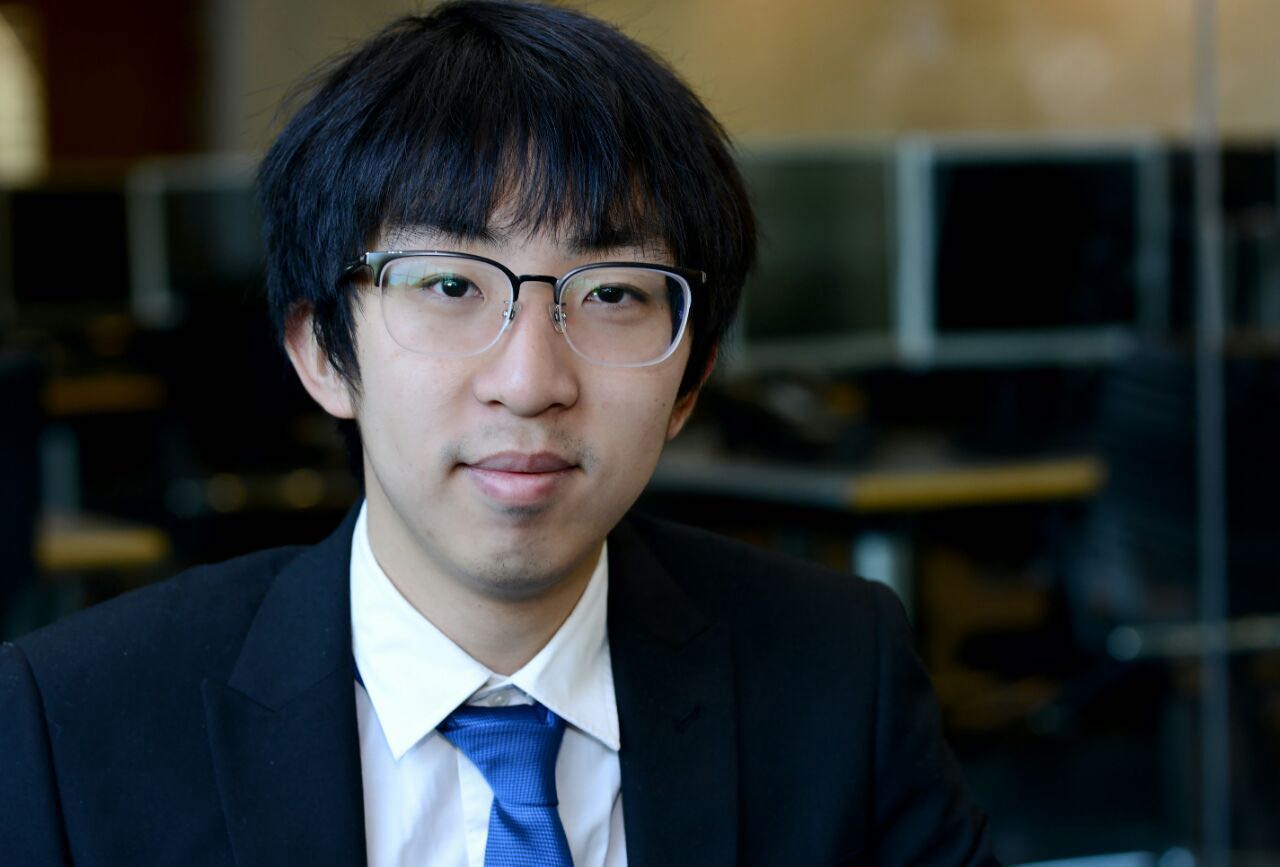
Wenhe Wang
Hello! 👋
I'm Wenhe Wang, a Data Scientist with a Master's in Visual Computing from SFU. I specialize in computer vision, NLP, and cloud data solutions, and have experience developing models to optimize fraud detection, process image, enhance data pipelines, and automate text analysis.
My work spans sectors from CAD, BIM, Edge Devices, FinTech, Consulting to Short Video industry, including leading projects at Autodesk, Samsung Research Canada, Cavallo Technologies, TikTok, China Guangfa Bank, and KPMG.
I received my M.S. in Financial Engineering from University of Reading in 2019 and my B.Ec. in Financial Engineering from Nankai University in 2017.
Projects
These are some selected personal and course projects that I have worked on, throughout my studies.
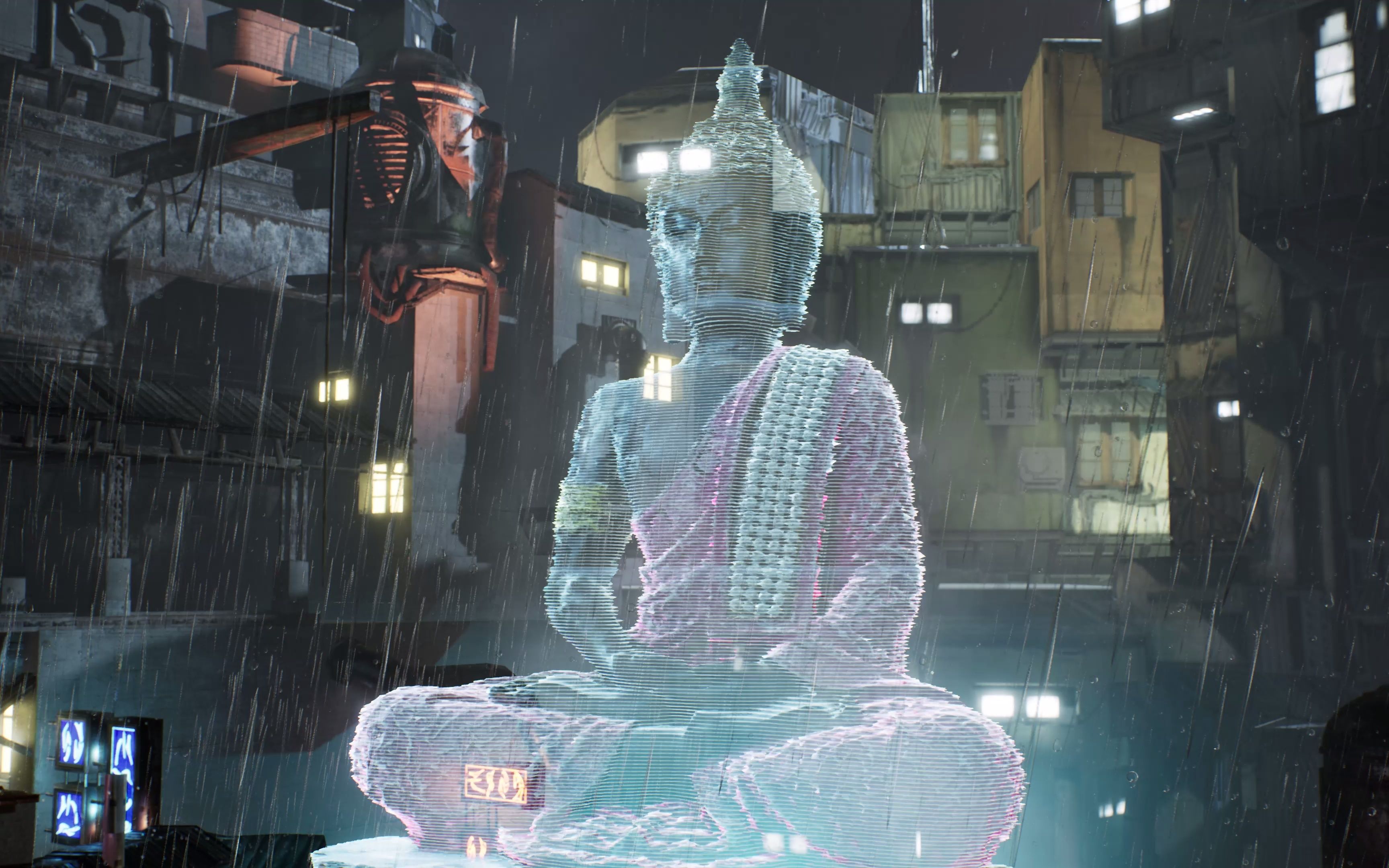
Unity Cyberpunk Hologram and Teleport effects
Wenhe Wang and Gouttham Nambirajam
SFU Class Final Project, CMPT 766: Computer Animation
This is a from scratch re-implementation with Unity Shader script and Unity Rendering Pipeline to realise two 3D visual effects.
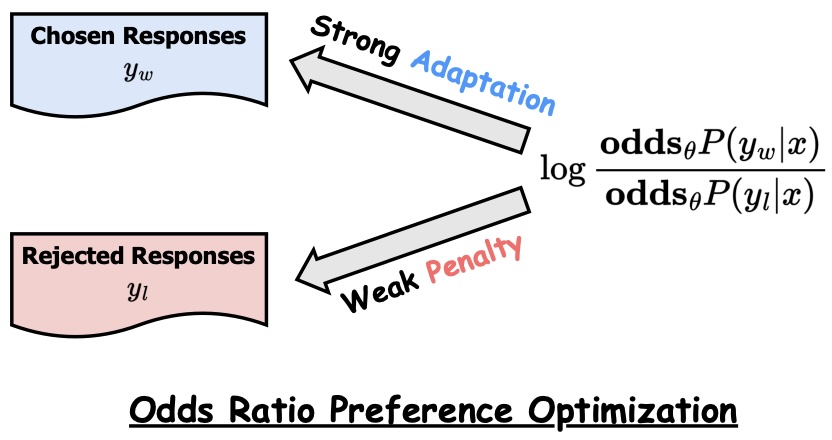
Preference Optimization
Wenhe Wang, Gouttham Nambirajam, and Raj Shreyas Penukonda
SFU Class Project, CMPT 713: Natural Language Processing
Implemented preference optimization using the ORPO framework to fine-tune the Qwen 2.5 0.5B-Instruct model for instruction-following tasks.
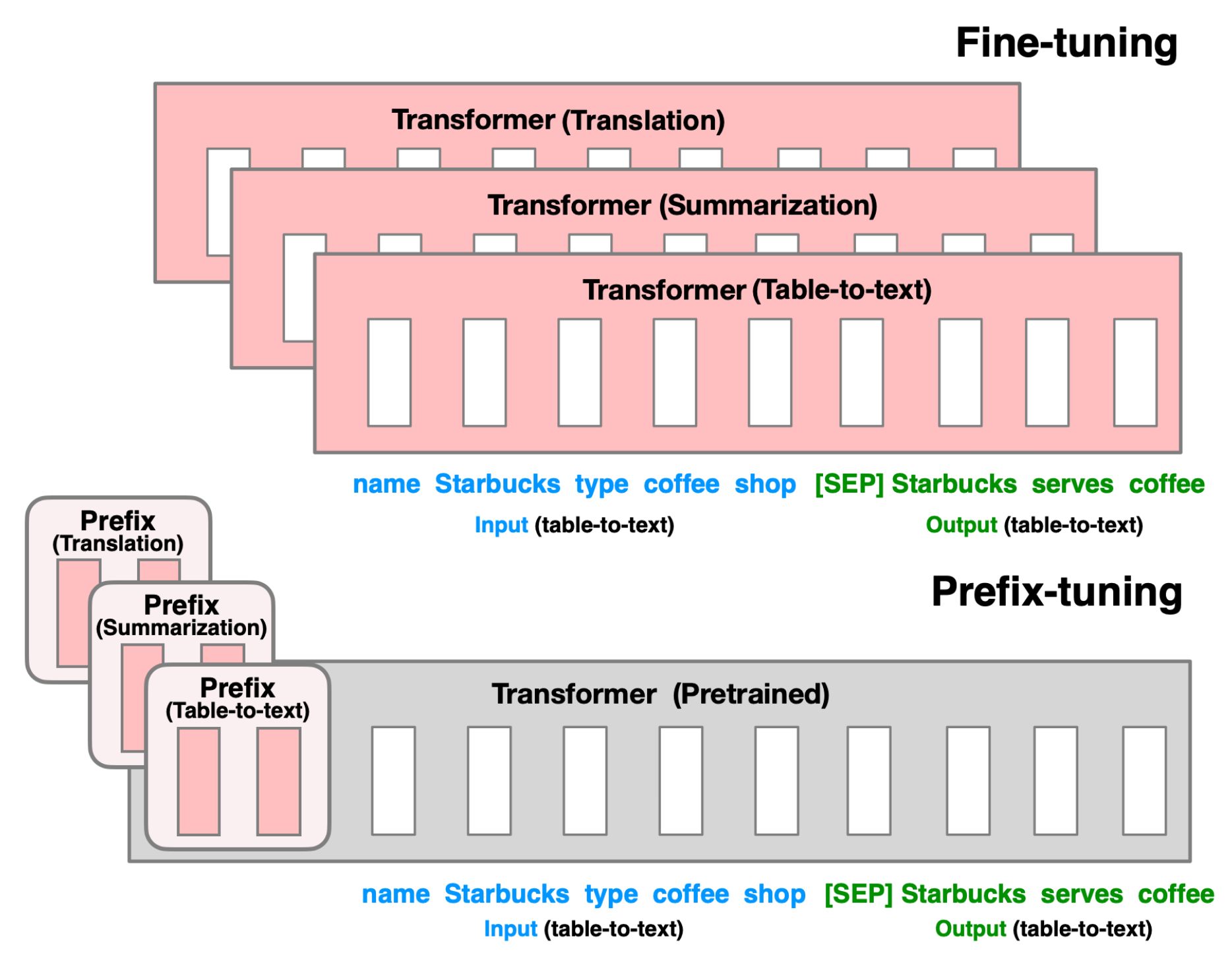
Prompt Tuning for Text Generation
Wenhe Wang, Gouttham Nambirajam, and Raj Shreyas Penukonda
SFU Class Project, CMPT 713: Natural Language Processing
Fine-tuned GPT2 using prompt tuning techniques to tackle table-to-text generation tasks.
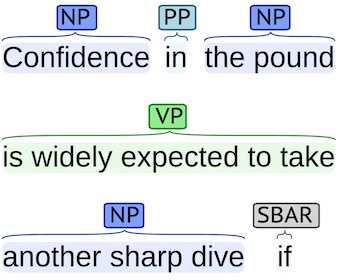
BERT Finetuning for Robust Phrasal Chunking
Wenhe Wang, Gouttham Nambirajam, and Raj Shreyas Penukonda
SFU Class Project, CMPT 713: Natural Language Processing
Fine-tuned a BERT-based Transformer model to tackle phrasal chunking.
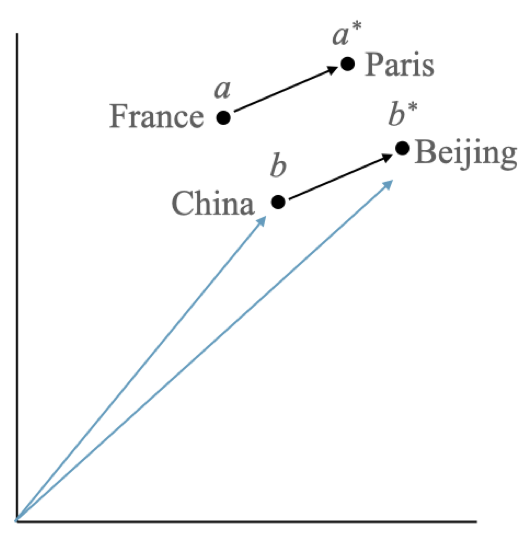
Word Vectors and the Analogy Task
Wenhe Wang, Gouttham Nambirajam, and Raj Shreyas Penukonda
SFU Class Project, CMPT 713: Natural Language Processing
Optimized word vectors to solve analogy tasks, explored the use of retrofitting techniques to enhance the semantic relationships captured by pre-trained GloVe embeddings.
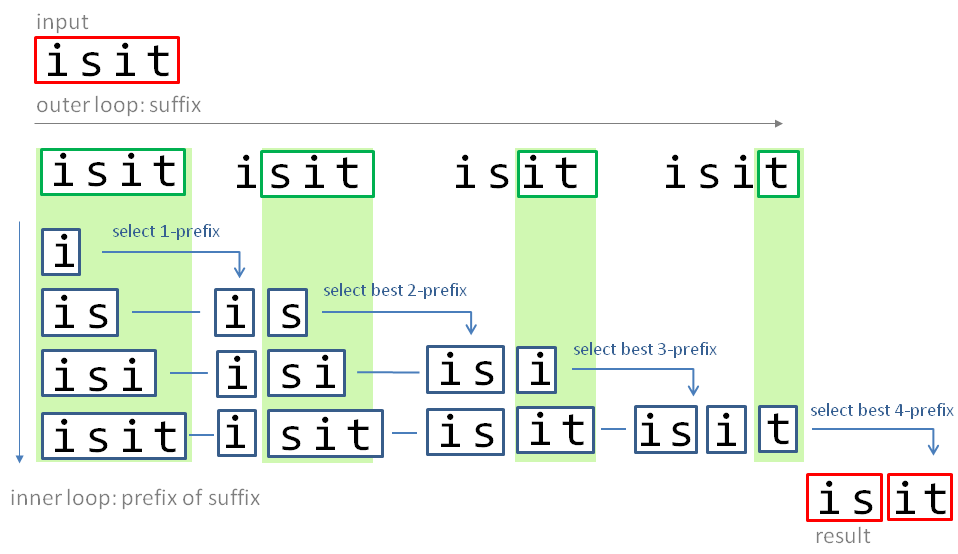
Segmentation into Words
Wenhe Wang, Gouttham Nambirajam, and Raj Shreyas Penukonda
SFU Class Project, CMPT 713: Natural Language Processing
Automatically segment English input that does not have word boundaries into the most plausible sequence of words with N-gram.
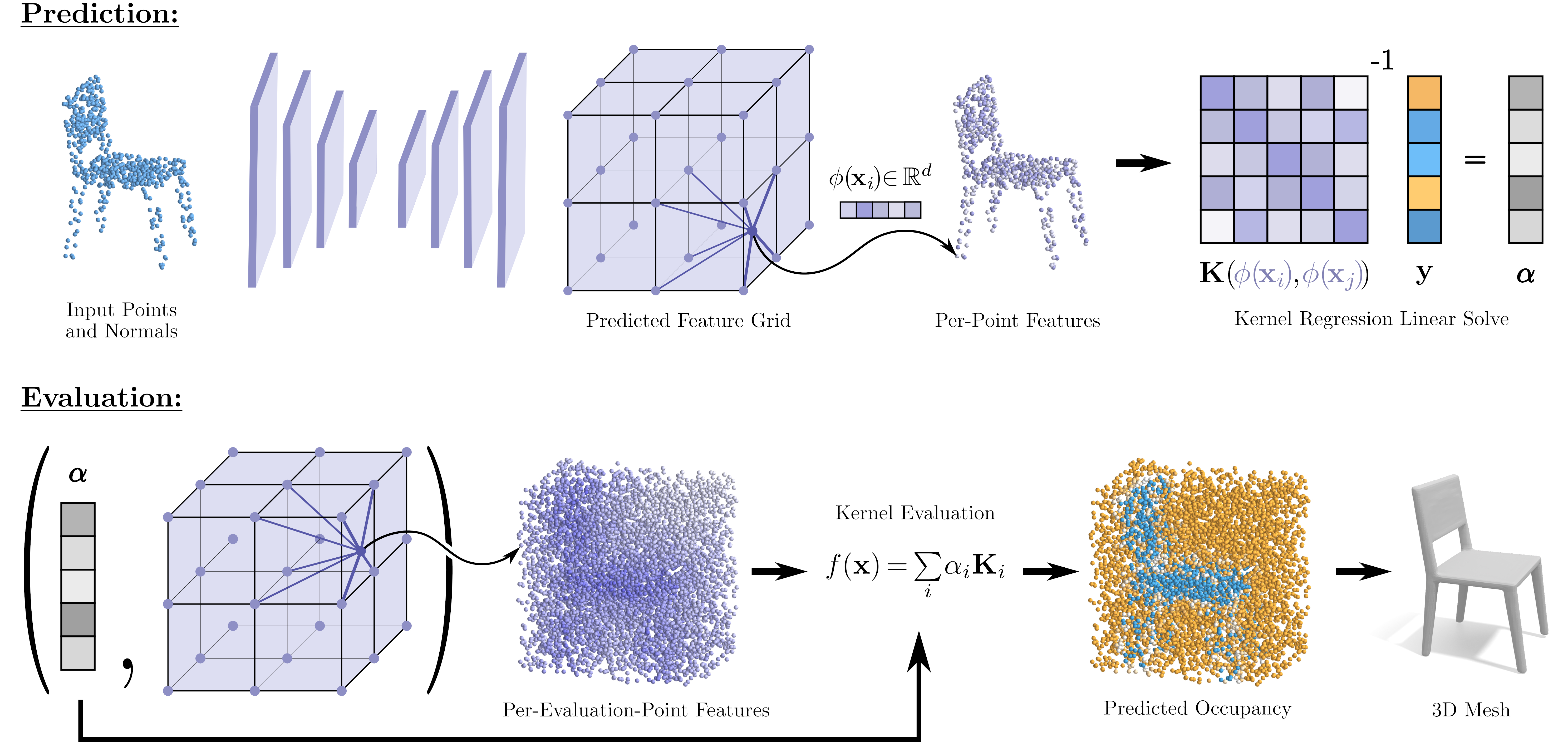
3D Reconstruction using Neural Fields (NeRF)
Wenhe Wang
SFU Class Project, CMPT 743: Practices in Visual Computing 2
Implemented a neural network for 3D object reconstruction from occupancy field samples, leveraging a 3D feature grid and a Multilayer Perceptron (MLP).
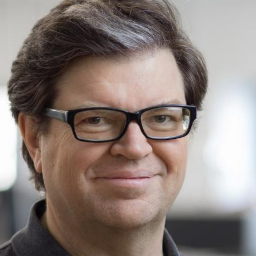
Latent Manipulation with StyleGAN2
Wenhe Wang
SFU Class Project, CMPT 743: Practices in Visual Computing 2
Delved into various aspects of StyleGAN2, including basic image generation, latent space interpolation, and advanced manipulation techniques like latent mixing, showcasing the model's capability to blend and alter image features seamlessly.
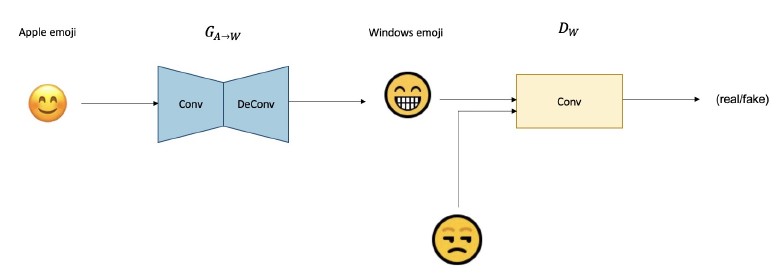
Image to image translation with CycleGAN
Wenhe Wang
SFU Class Project, CMPT 743: Practices in Visual Computing 2
Re-implemented CycleGAN from scratch to convert images from one domain (e.g., Apple emojis) to another (e.g., Windows emojis) without direct pairings, maintaining the intrinsic structure of the original images.
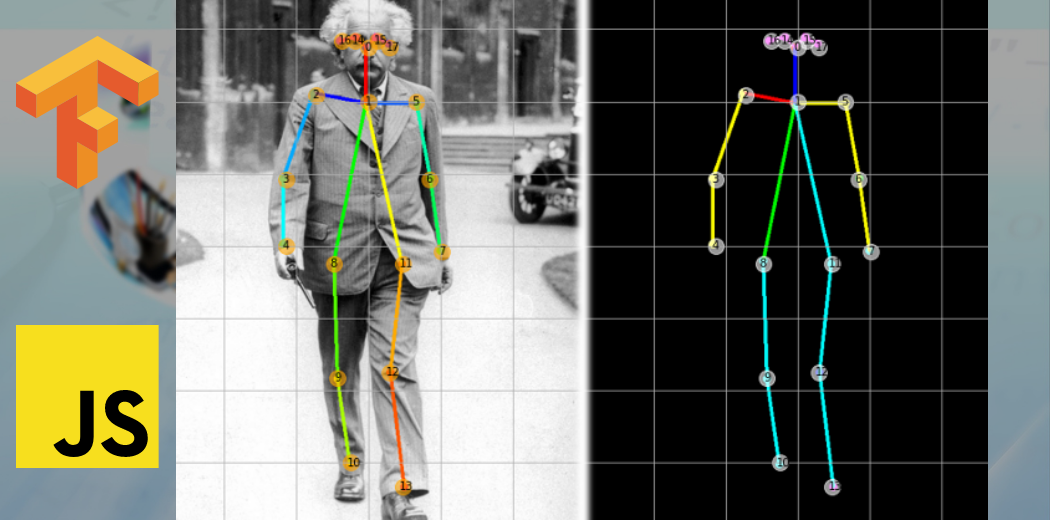
Pose Regression with PoseNet
Wenhe Wang
SFU Class Project, CMPT 743: Practices in Visual Computing 2
Re-implemented PoseNet with modified InceptionV1 architecture pre-trained on the Places dataset for estimating the camera's position and orientation and pose estimation from single images.
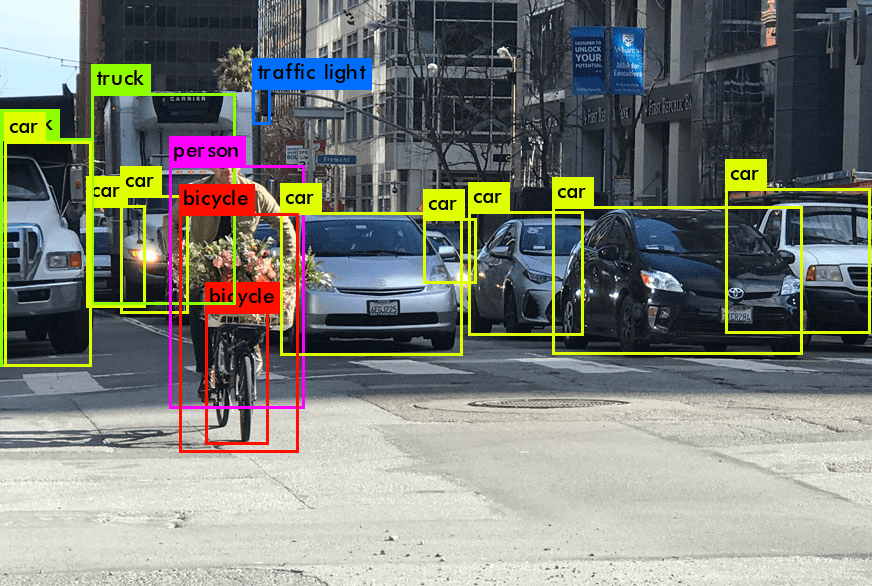
Object Detection with SSD
Wenhe Wang
SFU Class Project, CMPT 743: Practices in Visual Computing 2
Re-implemented a simplified version of the Single Shot MultiBox Detector (SSD) for object detection, diverging from the conventional YOLO approach by incorporating multiple scales and default bounding boxes as anchors.
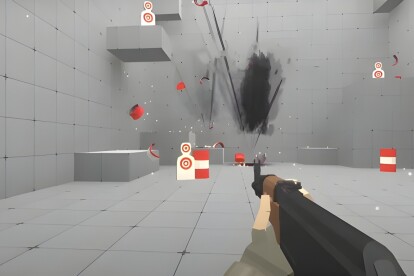
FPS VR Game with Unity
Wenhe Wang
SFU Class Project, CMPT 742: Practices in Visual Computing 1
Developed a first-person shooter game using Unity, focusing on both player and enemy dynamics within a complex game environment.
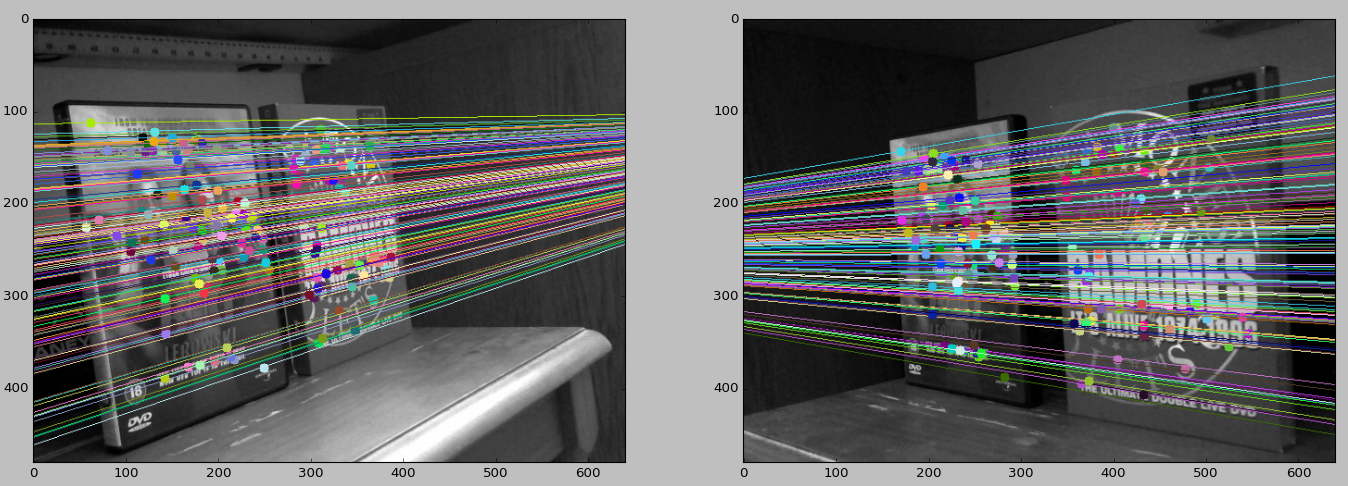
Epipolar geometry
Wenhe Wang
SFU Class Project, CMPT 742: Practices in Visual Computing 1
Delved into the intricacies of epipolar geometry to unravel the structure of a 3D scene from two distinct image views. Implementing the normalized 8-point algorithm.
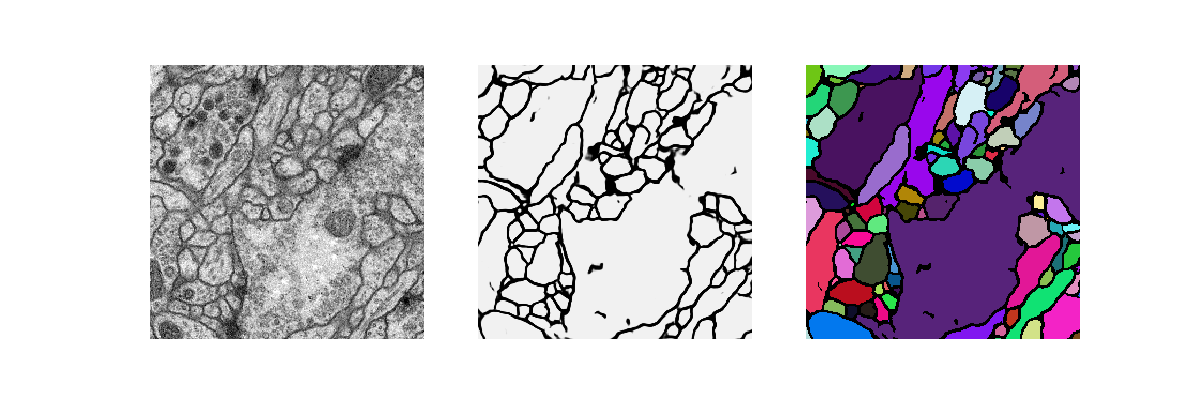
Image segmentation with UNet
Wenhe Wang
SFU Class Project, CMPT 742: Practices in Visual Computing 1
Constructed the U-Net model from scratch in PyTorch, following its unique symmetric structure for detailed cell image segmentation.
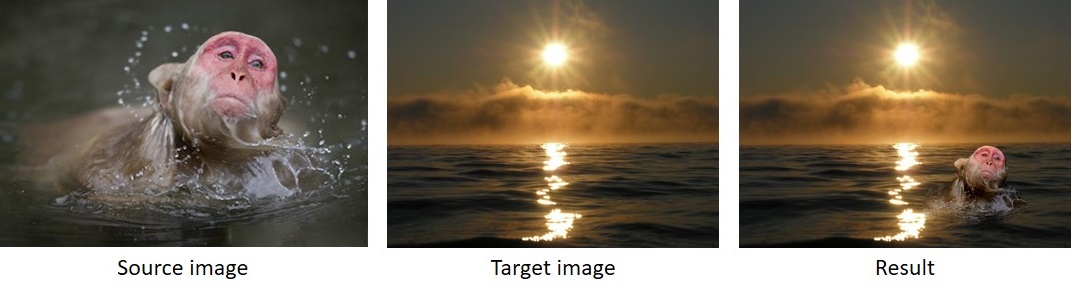
Poisson Blending
Wenhe Wang
SFU Class Project, CMPT 742: Practices in Visual Computing 1
Reconstructed images from second-order derivatives and seamlessly blending image patches with Poisson blending.
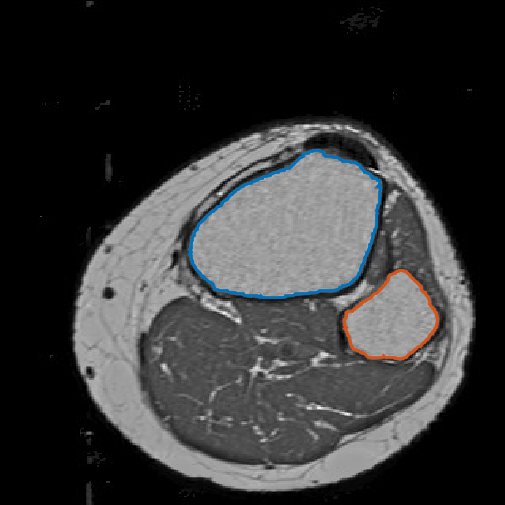
Active Contours
Wenhe Wang
SFU Class Project, CMPT 742: Practices in Visual Computing 1
Implemented traditional Active Contours (Snakes) model to delineate object boundaries through energy minimization, successfully applied to brain and teeth scans.
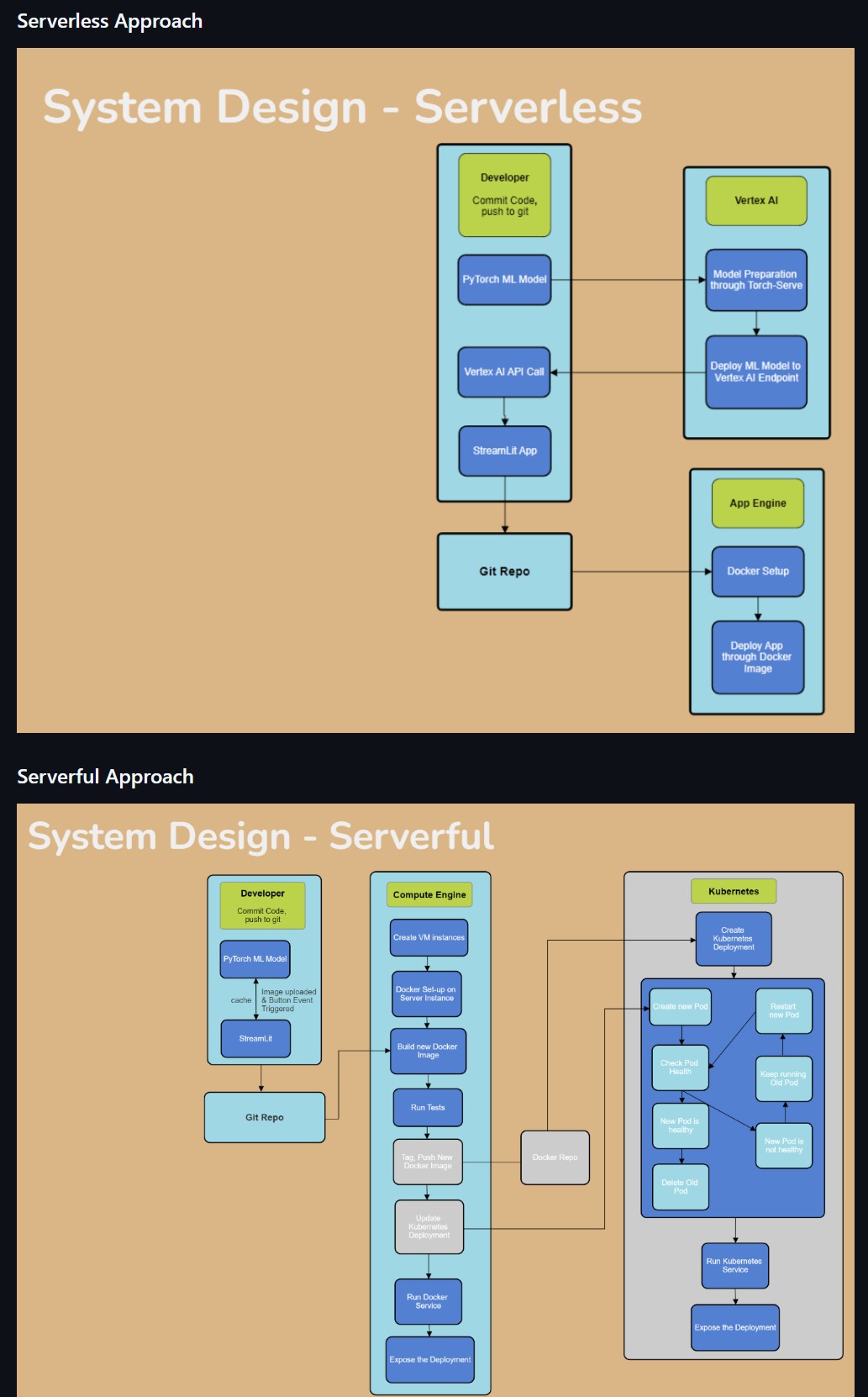
Containerized or Serverless Learning
Wenhe Wang, Zareef Raiyan Safdar, Gouttham Nambirajam, Midhun Jisha Manoj, and Ashwin Abraham John
SFU Class Final Project, CMPT 756: Distributed & Cloud Systems
Compared serverless and serverful (containerized) deployments of a PyTorch-based fall detection model using the Google Cloud Platform (GCP).
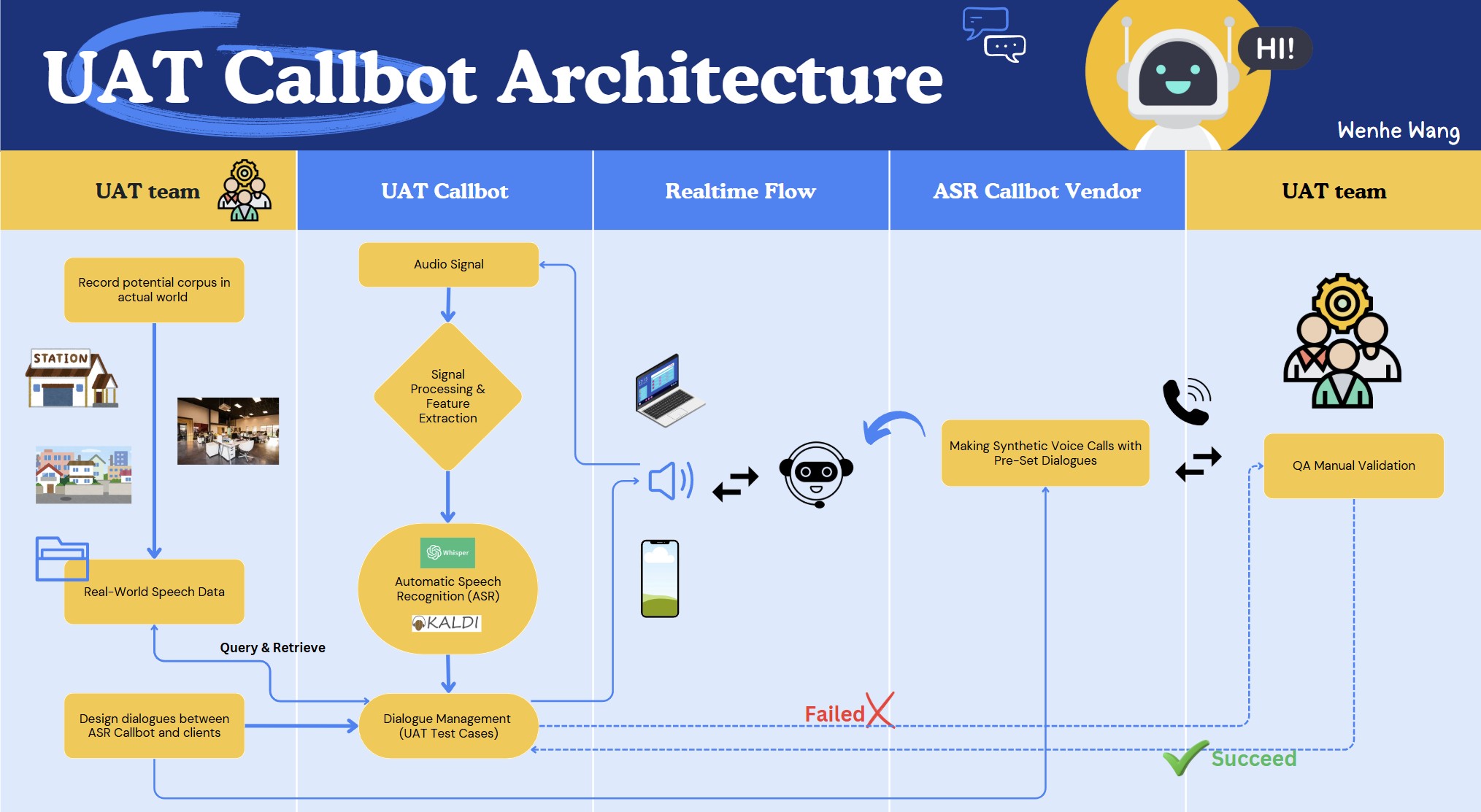
UAT Callbot
Wenhe Wang
A self project
Developed a UAT framework for an ASR callbot using Kaldi, enabling real-world speech data processing, dialogue management, and synthetic voice call testing for QA validation.
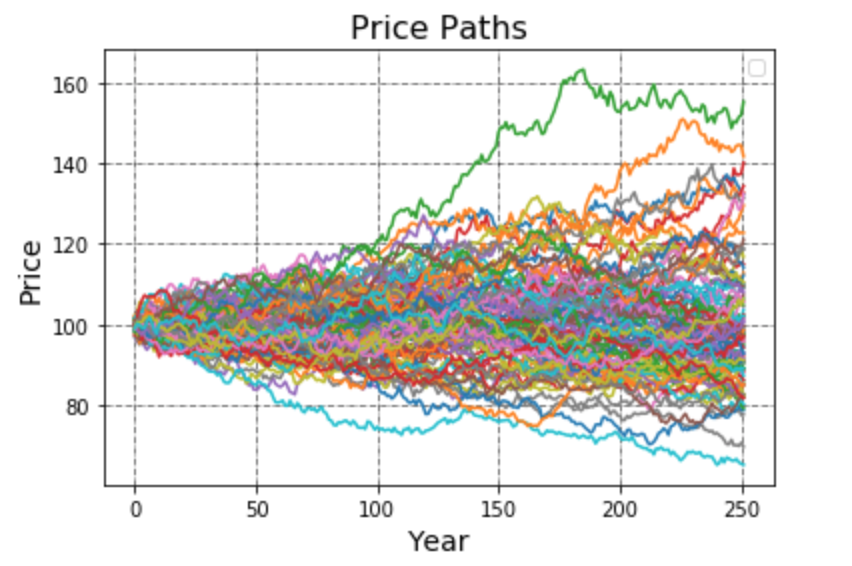
Option Pricing
Wenhe Wang
UoR Class Final Project, ICM 286: Advanced Derivatives Modelling
Calculated portfolio value from models beyond Black-Scholes to price non-vanilla financial instruments with C++.
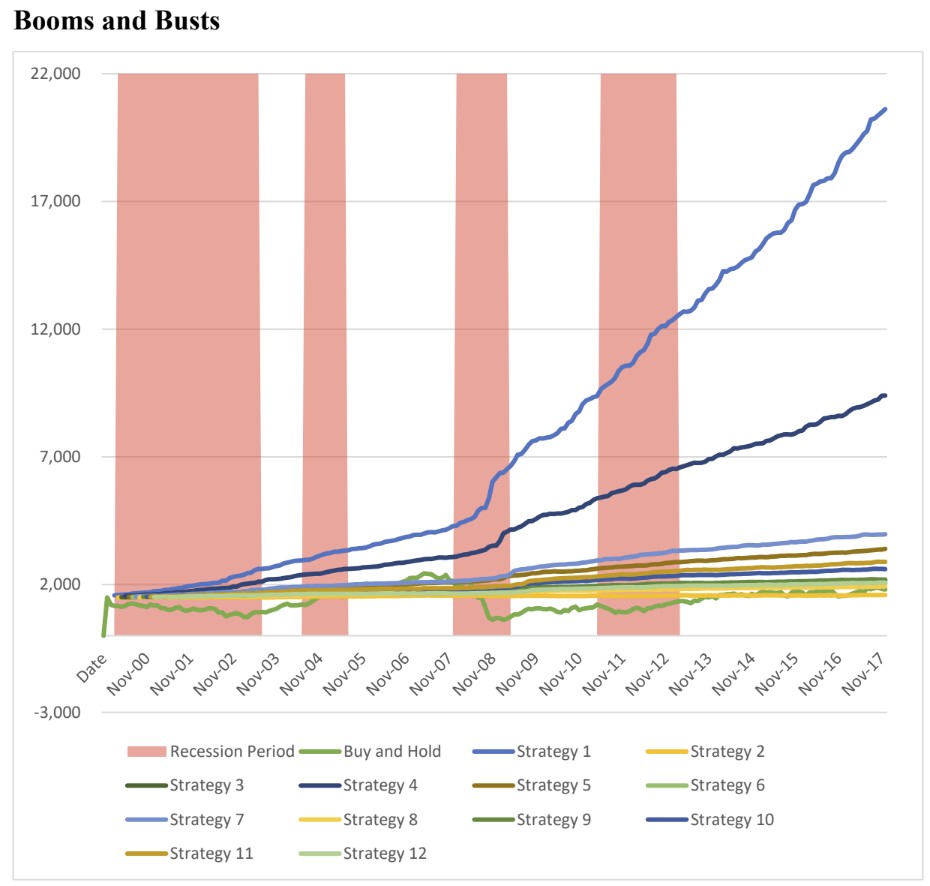
MSCI Belgium Index Trading Strategy
Juan Santiago, Wenhe Wang, Jake Shoer, Ana-Maria Badea, Yaqi Yang, Yue Zhang
UoR Class Final Project, ICM 103: Quantitative Methods for Finance
Created a viable trading strategy using time-series momentum indicators in the Belgium stock exchange, particularly the MSCI Index.
Posters
These are some posters of selected research projects.
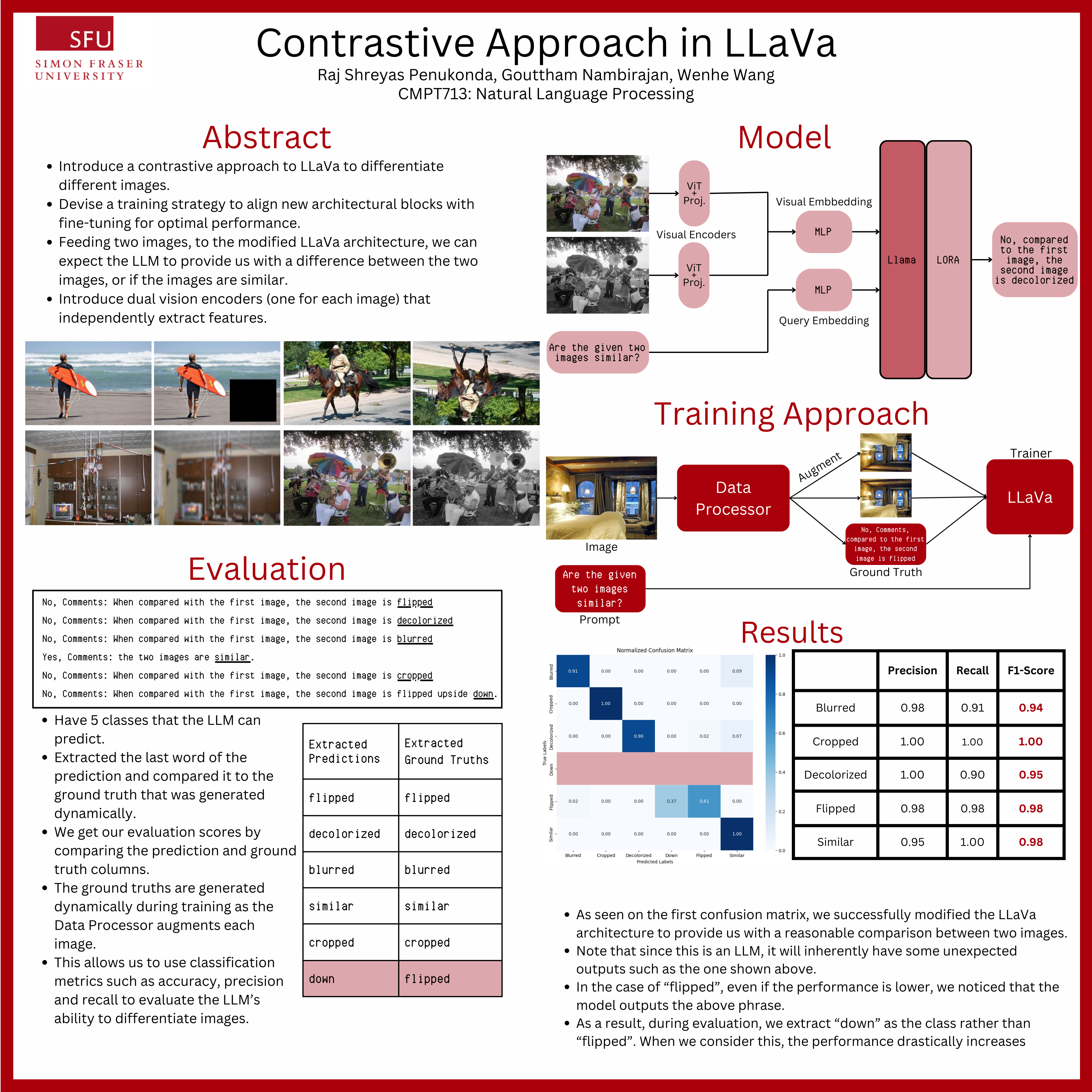
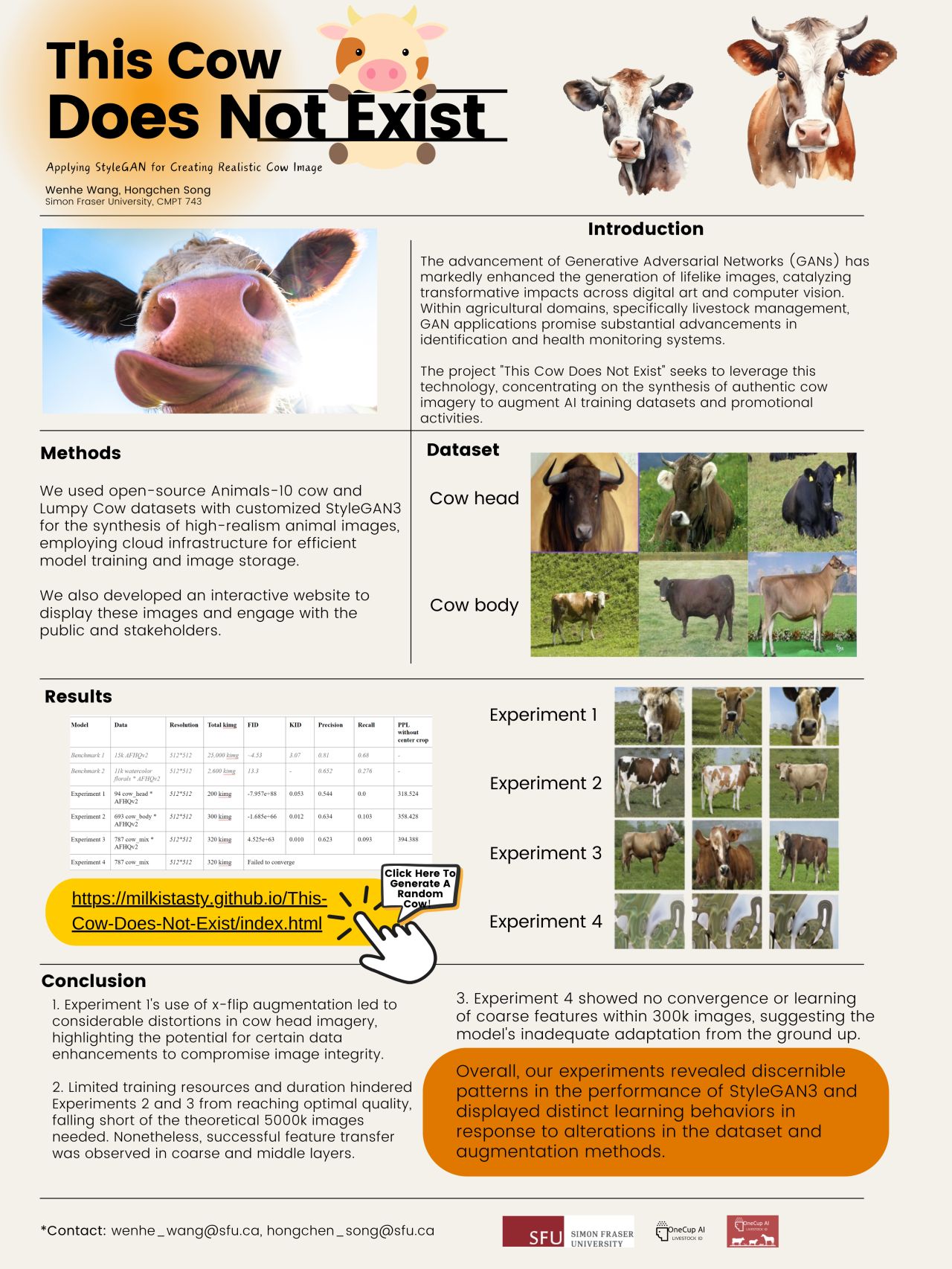
This Cow Does Not Exist: Applying StyleGAN3 for Creating Realistic Cow Images
Wenhe Wang and Hongchen Song
SFU Class Final Project, CMPT 743: Practices in Visual Computing 2
Re-trained a StyleGAN3 model with real cow images to generate a realistic cow dataset.
Certificates
"Ars longa, vita brevis" - These are some proofs of my continuous learning, throughout my work for different employers.
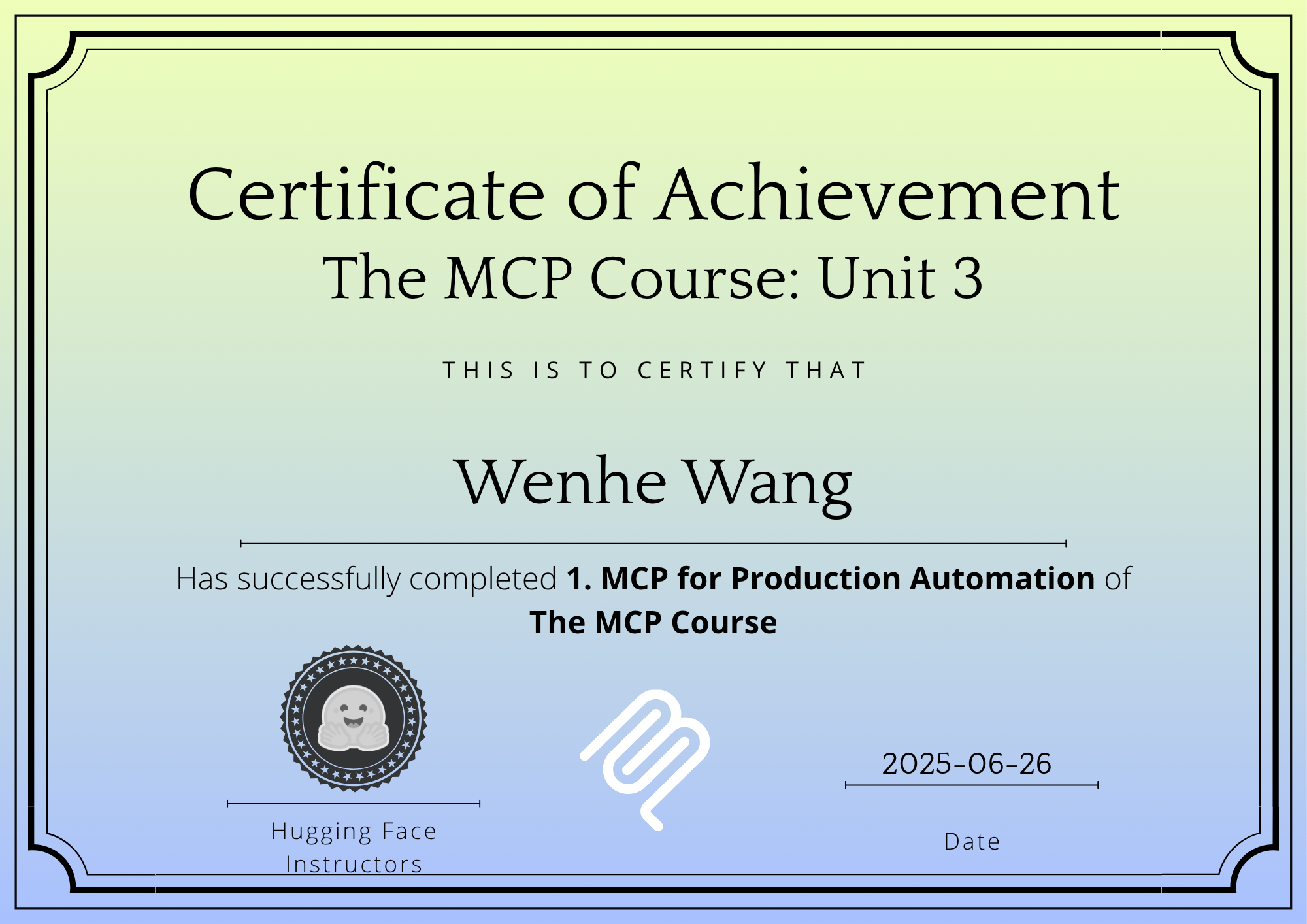

AWS Certified Machine Learning Engineer – Associate Certificate
View Credential

Databricks Certified Generative AI Engineer Associate
View Credential
Databricks Certified Machine Learning Professional
View Credential
Databricks Certified Data Engineer Professional
View Credential
Databricks Certified Machine Learning Associate
View Credential
Databricks Certified Data Engineer Associate
View Credential
Databricks Lakehouse Fundamentals
View CredentialEducation

|
Simon Fraser UniversityMaster of Science (Applied Sciences) in Visual ComputingSeptember 2023 to December 2024 Notable Coursework - Visual Computing Lab, Machine Learning, Distributed and Cloud Systems, Computer Vision, Natural Language Processing, Computer Animation. |

|
University of ReadingMaster of Science in Financial EngineeringSeptember 2018 to July 2019 Notable Coursework - Quantitative Methods for Finance, Securities, Futures and Options, Fixed Income and Equity Investments, Stochastic Calculus and Probability , C++ for Financial Engineering, Essentials of Financial Engineering, Derivatives Modelling, Numerical Methods for Financial Engineering, Derivative Securities: Pricing, Trading and Hedging, Advanced Derivatives Modelling. |

|
Nankai UniversityBachelor of Economics in Financial EngineeringSeptember 2013 to June 2017 Notable Coursework - C++ Fundamentals, Matlab for Finance, Econometrics, Linear Algebra, Advanced Mathematics, Statistics, Microeconomics, Macroeconomics. |